Welcome to Salida! Dive into the heart of Colorado where breathtaking landscapes and vibrant culture await you. Explore local events, find hidden gems, and connect with the community. Your adventure starts here!
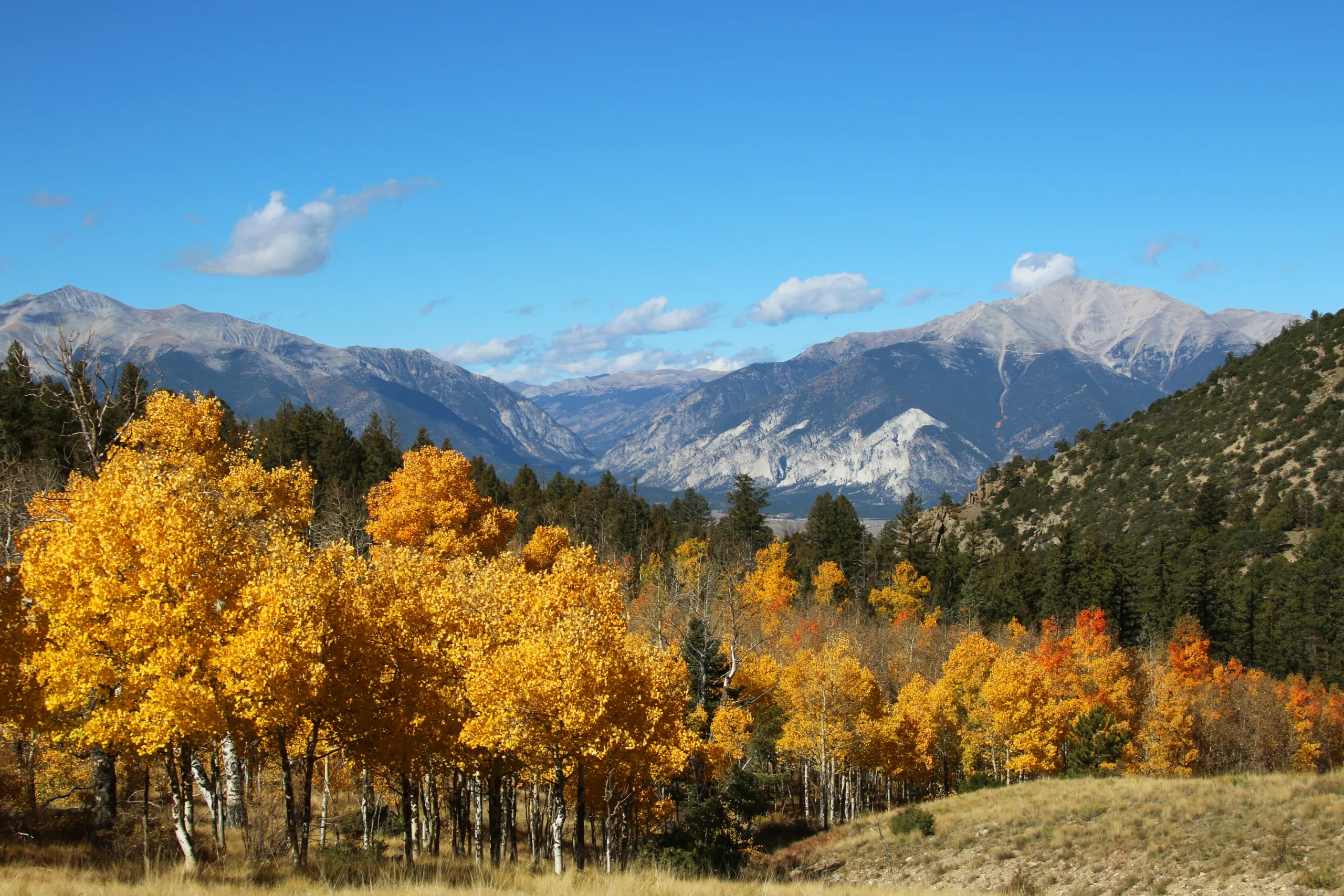
Salida is bordered on all sides by mountains which have a profound effect on its climate. Average snowfall in the valley is 50 inches, whereas the higher elevations such as our local ski area at Monarch Pass receive 400 or more inches of snow every year. Annual rainfall in the valley is 10 to 12 inches and residents can anticipate 330 days of sunshine with humidity in the 20 to 30 percent range, making it comparable to places such as Tucson, Arizona. Despite the low precipitation and numerous days of sunshine, the valley appears lush as a result of the extensive annual snowmelt from the mountains. This water provides vital irrigation for the region’s agricultural activities. Temperatures in the valley are much milder than surrounding communities such as Alamosa and Gunnison. The average high temperature for January is 49°F. Night-time temperatures average 19°F but can drop well below 0°F a few times each winter. July is the hottest month with daily average high temperatures of 77°F. Rarely does one experience temperatures over 90°F in Salida, and even so, the nights usually cool off into the 60s. A comprehensive compilation of climate data can be obtained from the Colorado Climate Center website at: http://ccc.atmos.colostate.edu/.
From 1990 to 1997, California had the distinction of being the state which sent the most new inhabitants to Colorado. Almost 110,000 people migrated to our Rocky Mountain state during that period. Texas, New York, and Illinois followed with 18,927, 16,090, and 15,410 migrating residents, respectively. These figures come as no surprise. For years it has been the general feeling that Colorado is seeing a heavy migration from the Golden State, California. What is something of a surprise, however, is that many of the newcomers to Colorado settle in the metro areas. From there, an exodus to the more rural areas—such as Salida and Chaffee County—occurs. This general pattern is expected to continue in future years such that newcomers move to the city, city dwellers move to the suburbs, and suburban residents move to nearby outlying areas. Although Chaffee County is just outside those “nearby outlying areas,” it is still showing the effects of the same trend. In Chaffee County, it was reported that in the eight years from 1990 to 1997, some 2,217 people moved into the county. Of this total, 38% or 834 people, came from within Colorado and the balance came from other states.
Due to the banana belt-like climate, the vastly improved medical facilities, and the relatively affordable housing market, Chaffee County has recently become a retirement community. Chaffee County still represents a wide array of age groups and backgrounds.
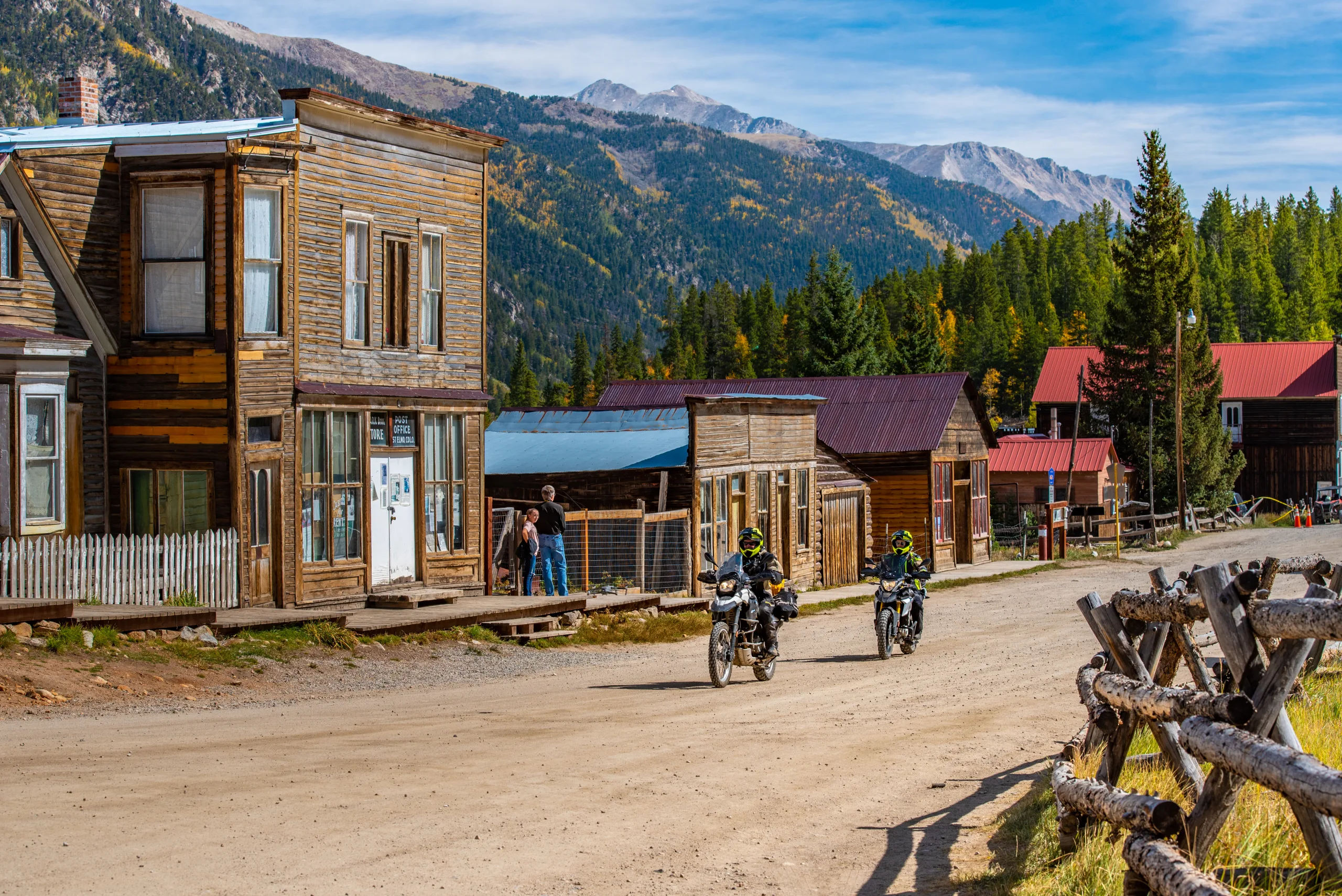
The history of Salida and the surrounding area reflects a rich mix of many influences. The area was originally settled by the Ute Indians, for whom many of the local mountain peaks are named. Chaffee County was established in 1879 and named for Jerome Chaffee, a United States Senator and local investor. Early in its history the area experienced an influx of explorers, miners, railroad expansionists, farmers and ranchers. The influence of each has dwindled over the years, but their mark in the history of the area is evident throughout the valley.
Chaffee County sits on the eastern slope of the Rocky Mountains in central Colorado. It is bordered on the west by the Sawatch Range, including the 14,000-foot Continental Divide; the eastern boundary of the county follows the Mosquito Range, descending toward the south. The Arkansas River flows between these two mountainous regions in a southeastern direction. The area is situated at the crossroads for the three interstate highways: U.S. 24, 50 and 285. Driving distances to some of the major cities and towns are as follows: Denver, 144 miles; Colorado Springs and Pueblo, 102 miles; and, Gunnison, 65 miles. The elevation of the area ranges from just under 7,000 ft. to over 14,000 ft. at the highest peaks, providing some of the most spectacular views in the world. In fact, Chaffee County has more mountain peaks soaring to 14,000 ft. or more than any other county in Colorado and is often referred to as the “Fourteener” Region.
Data provided by the Salida Chamber of Commerce