
In the land of wicked whitewater, the Arkansas River reigns supreme. One of the most popular rafting rivers in the world, the Arkansas cascades through Chaffee County carving its way through the granite canyons of Chaffee, Lake, and Fremont Counties. The river runs for 1,469 miles, making it the 6th longest river in the country. It is also the second-longest tributary of the Missouri-Mississippi system.
The Arkansas begins as a small trout stream at the Continental Divide just south of Fremont Pass and from there plunges almost 5,000 feet in its first 125 miles. As it courses and sculpts its way through the lower valleys, it becomes a raging tempest in some areas, particularly during the spring snowmelt and in narrow river channels. Once out on the eastern Colorado plains, it mellows out and becomes a different river.
Beginning in the eastern Colorado-western Kansas region, the river is heavily utilized for irrigation, so much so that it now runs at a level less than one-fifth that noted in the 1960s! With depletion to this degree, it is almost surprising that the river makes it to its final destination, the river mouth at Napoleon, Arkansas.
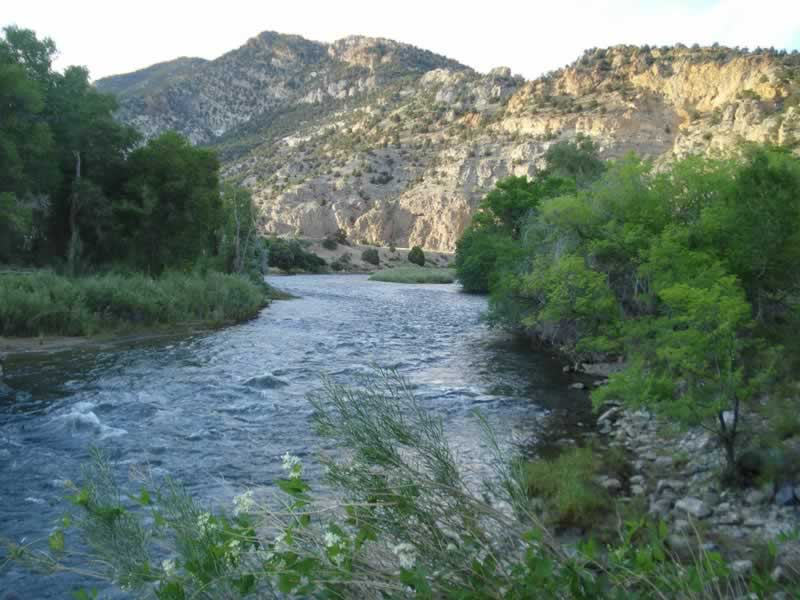
The Arkansas River Basin drains 24,904 square miles, making it Colorado’s largest river basin. Major reservoirs throughout this basin include Pueblo Reservoir, John Martin Reservoir, Great Plains Reservoir System, Twin Lakes Reservoir, and Turquoise Lake. Major tributaries to the Arkansas include Fountain River and Purgatory River.
One of the reasons for the popularity of the Arkansas is that much of it flows through areas easily accessible by road, so the possibility of a put-in or a hired run are excellent. The whitewater can range from great to downright breathtaking. Finding an outfitter to navigate you through the river and its rapids is only a problem if they’re all booked, as can sometimes happen during the peak season.
For those less inclined to experience the technically difficult and challenging areas, there are also stretches of the Arkansas that offer a little more peace and quiet if one is not up for thrashing the waves. Below Canon City, the river becomes noticeably more docile, allowing for an ideal family-friendly float between Canon and the Pueblo Reservoir. Still, it is best to keep in mind that despite the placid appearance of the river, hazards like submerged trees and occasional riffles can result in an unexpected swim. So, it is best to be prepared prior to a rafting outing.
After a thrilling whitewater adventure or fishing trip on the Arkansas River head to one of Salida’s best restaurants to complete your Colorado mountain-high experience. Depending on the day of the week, and on the events happening around town, you may need to make reservations ahead of time. At least for the more popular restaurants, that is. But then again, a short wait may be just enough time to stop by an art gallery in Salida’s historic downtown or perhaps do some window shopping and people watching. Take a look at our Dining section where you will find information on some of Salida’s best restaurants. 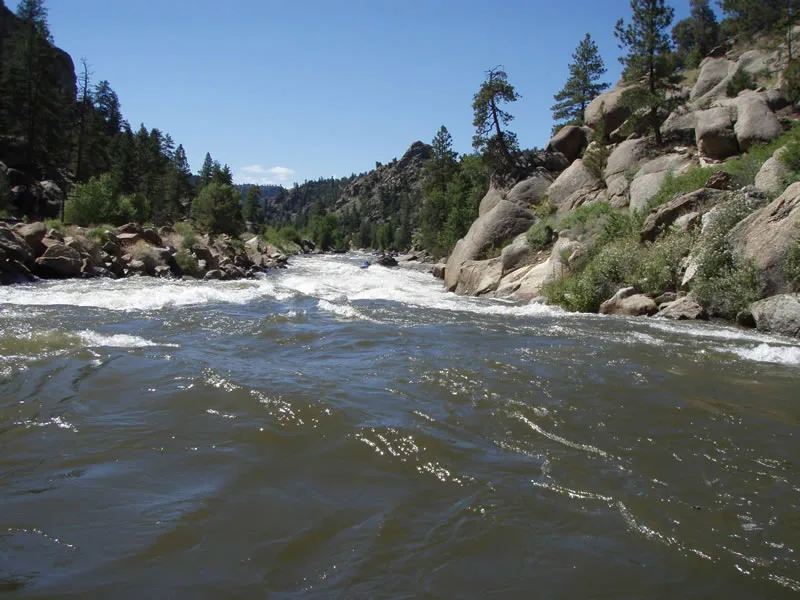
Hopefully, you will have already made your Salida lodging reservations so that you can retreat to your motel room for some well-deserved rest and relaxation before heading out for yet one more Colorado Rocky Mountain adventure! If not, there are plenty of Salida lodging facilities to choose from and lots of amenities, too. Hot tub soak or hot springs experience? Many of Salida’s lodging properties have hot tubs and spas as well as coupons for Mt. Princeton Hot Springs. Complimentary breakfast in the morning? Again, quite a few offer this as well. Although, you just may want to get another dose of the Salida experience by enjoying breakfast at the Patio Pancake Place on Highway 50, a diner that is popular with locals for their hearty breakfast choices and lunch menu.